














The National Crisis Management Centre and major retailers are drawing up plans to ensure Lithuania’s population can access food if a large-scale crisis or “Day X” were to occur.
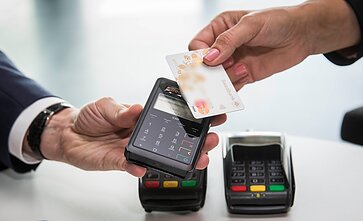
The four largest retail chains have already received government instructions on how to operate in such circumstances. Meanwhile, the Bank of Lithuania has been tasked with preparing the banking system this year so that card payments remain possible even without a network connection.
Crisis centre officials say there are still some regions where food access could be difficult, and they are working with smaller retailers to close those gaps.
Ensuring stores remain open
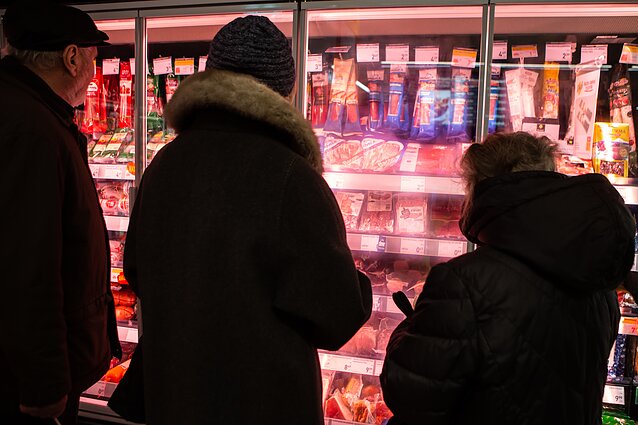
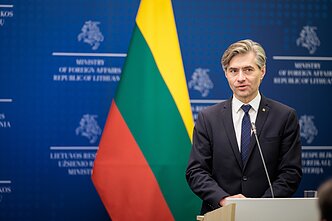
National Crisis Management Centre Director Vilmantas Vitkauskas said one of the main goals in an emergency would be to keep supermarkets operating normally so residents could buy food.
“Our criteria are size, distance from residents, population density and one store per 30,000 people,” Vitkauskas said. “According to our mapping, 76% of the population would now have access to food products from designated anchor stores.”

The authorities will identify and address the remaining shortages, he added.
The government has already required residents to keep at least a three-day supply of food at home. Municipalities are responsible for providing support from the fourth to the sixth day, while central government reserves are activated from the seventh day onward.
Currently, 207 stores across Lithuania, run by the four largest retail chains, have been designated as outlets where residents could purchase food in case of war or another crisis.
The centre declined to identify the exact locations for security reasons but said that in an emergency, people would be informed where to shop based on their location.

Maxima spokesman Titas Atraškevičius said retailers have long been preparing for such scenarios.
“Based on government recommendations, we developed internal procedures and an action plan that we update as needed. We respond to all signals from state institutions about possible risks,” Atraškevičius said. “When the war in Ukraine began, we created a list of critical stores and a separate plan for how they would operate in an emergency.”
Logistics and card payments
The state food reserve also involves cooperation with farmers, food producers and manufacturers. The crisis centre has assessed that Lithuania’s existing resources would be sufficient to feed the population, but logistics remain the main challenge – particularly ensuring the safe transport of raw materials and production.
“For example, in the case of canned food, sometimes up to 20 countries are involved in the supply chain for a single product,” Vitkauskas said. “We are working to make supply chains as short as possible and to organise production in a way that minimises dependence on other countries.”
This autumn, the crisis centre plans to hold exercises to test procedures for “Day X” – including how residents would shop during a crisis.

The Bank of Lithuania, together with commercial banks, must finalise procedures this year to ensure residents can pay with bank cards even if communication networks fail.
The greatest remaining concern is several regions without major retail chains or with too few outlets. Talks are ongoing with smaller retailers to fill those gaps.

Newsletter
Every Friday morning.